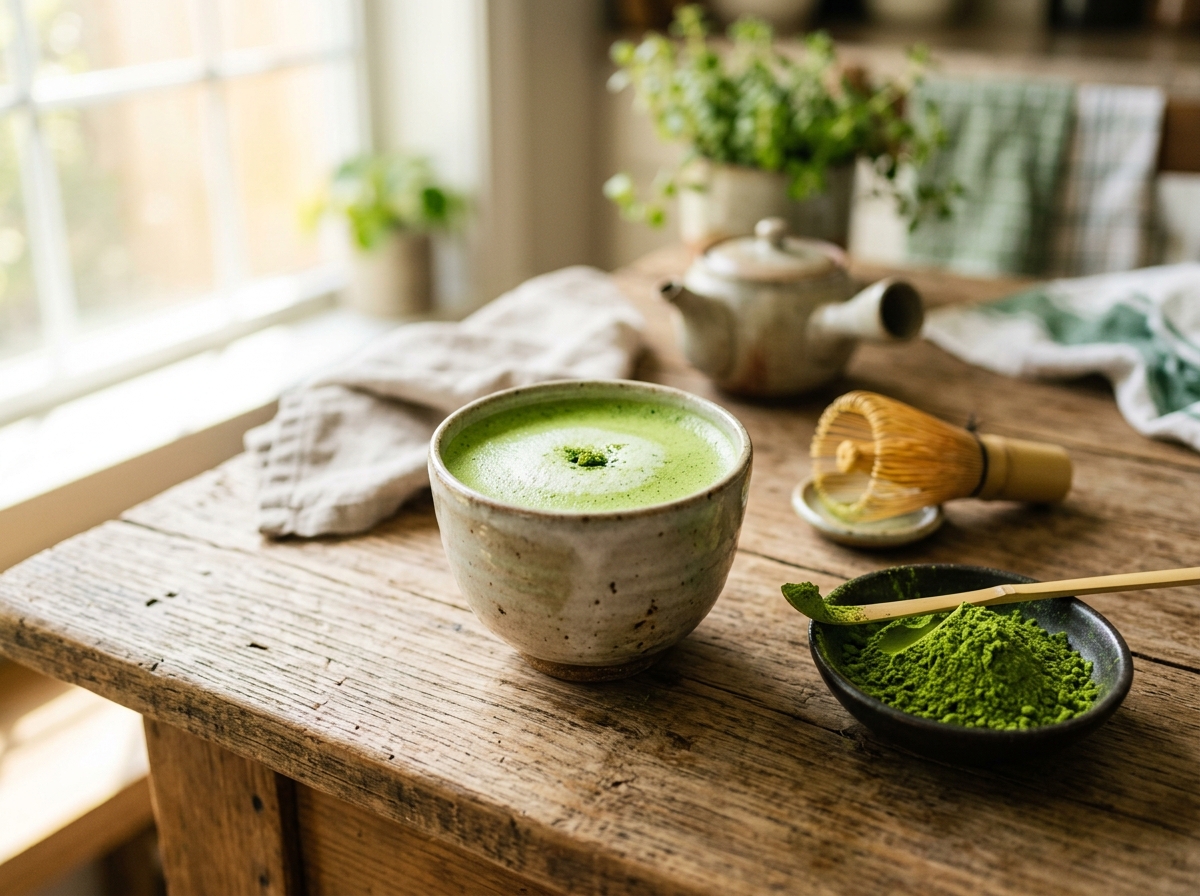
For most of us, the first cup of the day happens on autopilot, kettle on, tea leaves in, before we've even properly woken up. But timing actually matters more than most people realise. When you drink tea can affect how well you sleep, how your body absorbs nutrients from food, and even how your stomach feels through the day. Here's a practical, no-nonsense breakdown of when tea works for you, and when it might be working against you.
Early Morning, Empty Stomach: Proceed With Caution
Many of us reach for tea the moment we're out of bed, before eating anything at all. Tea, especially strong masala cha, contains tannins and mild acids that can irritate the stomach lining when there's nothing else to buffer them. An occasional cup like this won't cause harm, but making it a daily habit over months and years can contribute to acidity, bloating, or discomfort for people prone to gastric issues. If you love your early morning cup, try having a few soaked almonds, a biscuit, or a small snack alongside it.
Mid-Morning: One Of The Best Windows
Roughly an hour or two after breakfast is widely considered one of the best times for tea. Your stomach already has food to work with, blood sugar has stabilised after the morning meal, and a cup of tea here provides a gentle, sustained lift without the crash associated with reaching for a second coffee. This is also when tea's antioxidants are most easily put to good use by the body.
Right After A Meal: Better To Wait
It's tempting to end a meal with a hot cup of cha, but tea contains compounds called tannins that can bind to the iron in your food and reduce how much of it your body actually absorbs. This matters most for people who rely on plant-based iron sources like lentils and leafy greens. The simple fix: wait 45 minutes to an hour after eating before having your tea, giving your body time to absorb the nutrients from your meal first.
Afternoon: The Classic "Chai Time"
Across India, the late afternoon cup, often around 4 or 5 pm, is practically a cultural institution. It comes at a natural energy dip in the day, giving a gentle boost to push through the last few hours of work, and it's typically paired with a snack, which helps offset any acidity concerns. If you only drink tea once a day, this is arguably the ideal slot.
Evening And Night: Choose Wisely
Regular tea, whether it's masala cha, green tea, or Assam tea, contains caffeine, and having it too close to bedtime can interfere with falling asleep, even if you don't feel obviously "wired". If you enjoy a warm drink in the evening, this is the perfect slot for a caffeine-free option like tulsi herbal cha, which is naturally soothing rather than stimulating.
Tea isn't just about what you drink, it's also about when. The right cup at the right time makes all the difference.
A Simple Daily Guide
- Morning: pair your first cup with a small snack, not on a fully empty stomach
- After breakfast: a great window for masala cha or Assam tea
- After meals: wait 45-60 minutes before your next cup
- Afternoon: the classic energy-boosting chai time
- Evening: switch to a caffeine-free option like tulsi herbal cha
Frequently Asked Questions
Is it bad to drink tea on an empty stomach?
For most people, an occasional cup is fine, but daily tea on a completely empty stomach can increase acidity and cause discomfort over time. Having a small snack first is a safer, more sustainable habit.
Can I drink tea right after a meal?
It's better to wait 45-60 minutes after eating. Tea's tannins can interfere with iron absorption from food, so spacing it out helps your body get the most nutrition from your meal.
Does tea before bed affect sleep?
Regular tea contains caffeine and can disrupt sleep if consumed within a few hours of bedtime. Caffeine-free options like tulsi herbal cha are a much better choice in the evening.