Ask anyone in India what "chai" means to them, and nine times out of ten, they're picturing kadak masala cha — a strong, milky, spiced tea that's less a beverage and more a daily ritual. It's the first thing many people drink in the morning, the thing offered to every guest who walks through the door, and the excuse for countless conversations at roadside stalls. This guide walks through everything you need to make a genuinely good cup at home: the ingredients, the method, common mistakes, regional twists, and answers to the questions people ask most.
Why Masala Cha Is Brewed, Not Steeped
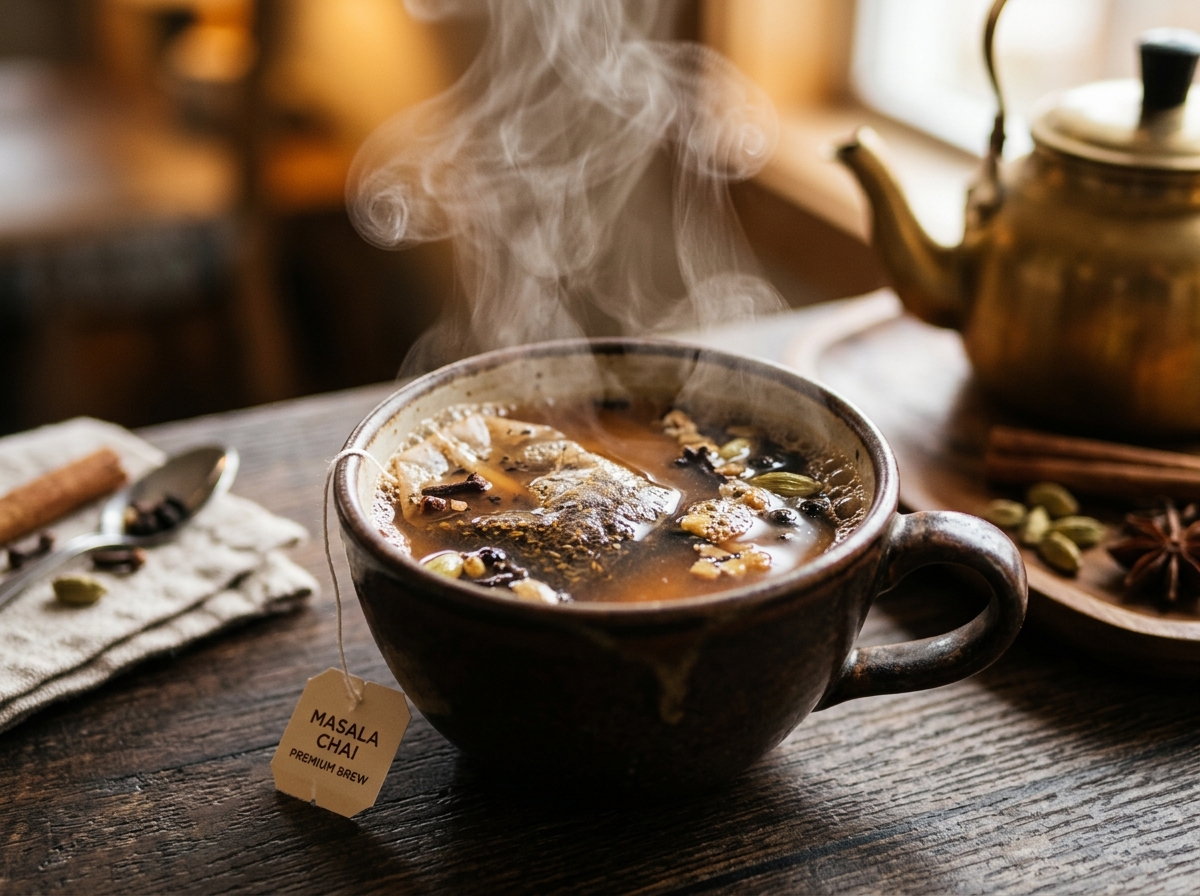
The biggest difference between masala cha and a regular cup of tea is the method. A plain tea bag is steeped — hot water is poured over it and left to sit. Masala cha, on the other hand, is actively boiled: the tea leaves, milk, water, and spices all cook together on the stove. This is what gives it that deep reddish-brown colour, a fuller body, and a flavour that a quick steep simply can't match. It also means the spices have time to properly infuse into both the water and the milk, rather than just floating on top.
Ingredients You'll Need
- 2 cups water
- 1 cup full-fat milk (buffalo or cow's milk both work well)
- 2 tablespoons loose black tea leaves (CTC grade works best)
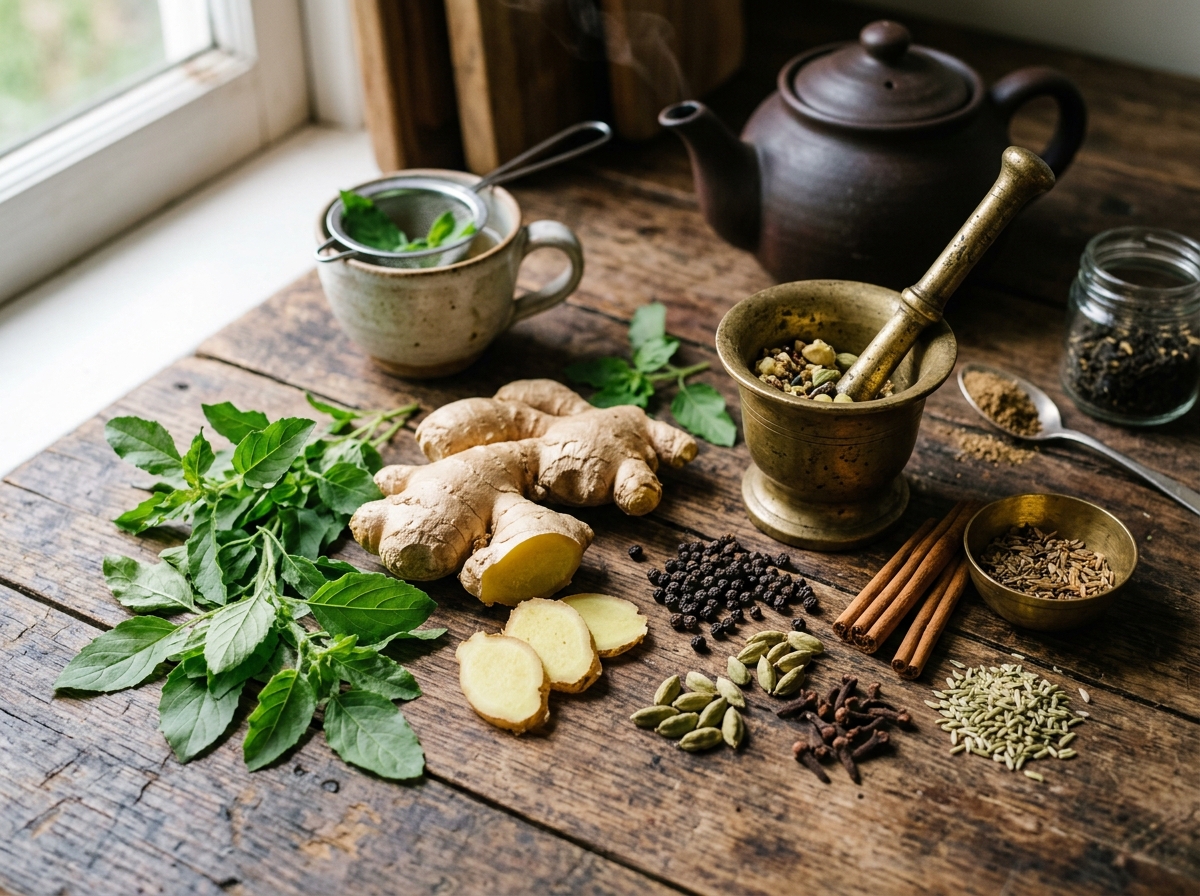
- 1 inch fresh ginger, crushed or grated
- 3-4 green cardamom pods, lightly crushed
- 1 small piece of cinnamon (optional, for extra warmth)
- 1-2 cloves (optional)
- 2 teaspoons sugar, or to taste
Step-by-Step Recipe
Add the water to a saucepan along with the crushed ginger, cardamom, and cinnamon. Bring to a boil and let it bubble for 2-3 minutes so the spices release their oils into the water.
Add the tea leaves and reduce the heat slightly. Let them simmer for about 2 minutes, until the water turns a deep reddish-brown.
Pour in the milk and increase the heat again, bringing the whole mixture back up to a rolling boil. Watch closely here, milk boils over quickly.
Add the sugar and let everything simmer together for 2 more minutes so the flavours fully combine, then reduce the heat to low.
Strain into cups through a fine sieve, pressing the leaves and spices gently to extract every last bit of flavour, and serve immediately while piping hot.
A good masala cha isn't rushed. Let it simmer, let the spices talk to the tea, and the rest takes care of itself.
Common Mistakes To Avoid
The most common mistake is rushing the first step: boiling the spices for only a few seconds instead of a few minutes means they never fully release their flavour, leaving the tea tasting flat. The second is adding the milk too early, before the tea leaves have had a chance to properly colour the water, which results in a pale, weak cup no matter how long it simmers afterward. And the third is walking away while the milk is boiling. Milk can go from perfectly simmering to spilling over the pot in a matter of seconds.
Regional Variations Across India
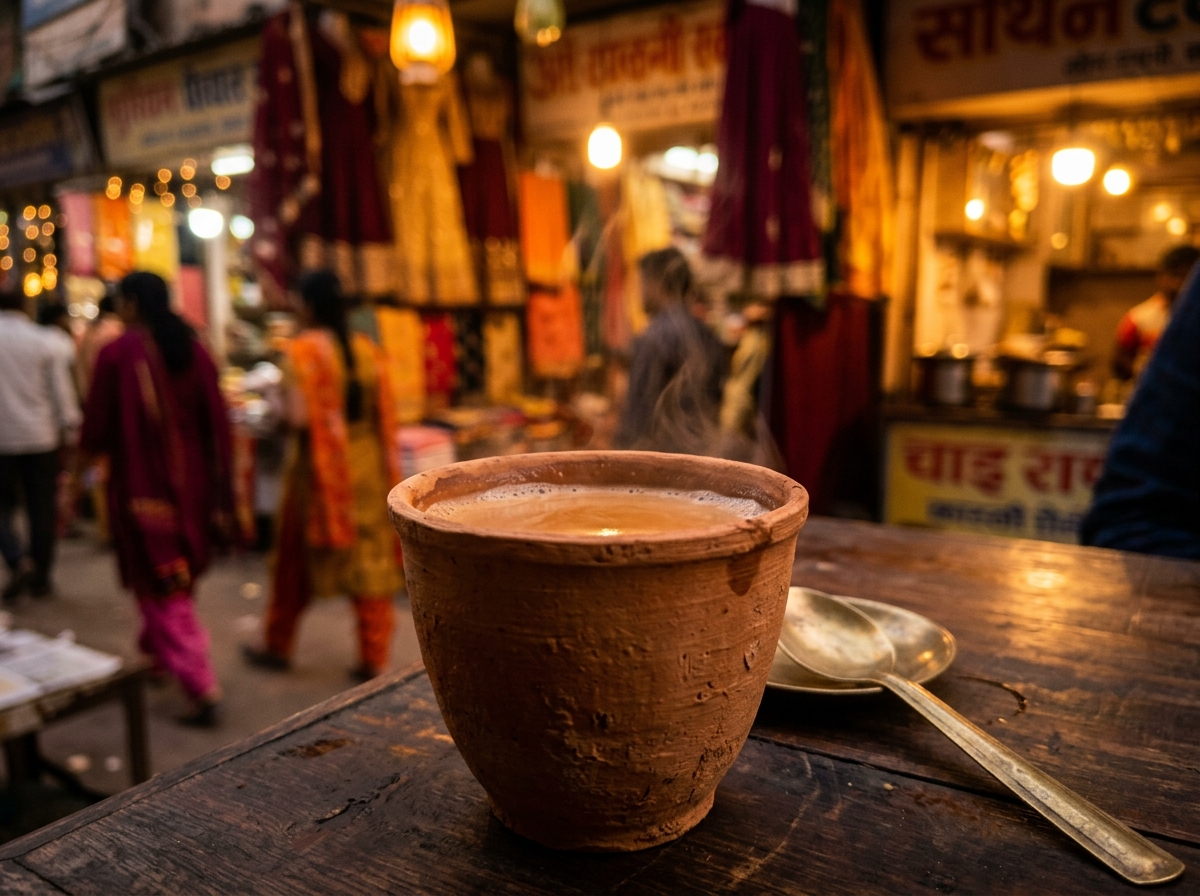
Masala cha changes character depending on where you are in India. In Mumbai, it's often served extra strong and extra sweet, brewed in large batches at street-side stalls known as "tapri". In Gujarat, a pinch of black pepper is common alongside the ginger. Down south, some households add a touch of nutmeg. Punjab often leans heavily on fennel and cardamom for a sweeter, more aromatic cup. None of these versions is more "correct" than another, masala cha has always been shaped by whatever spices are on hand in a particular kitchen.
Tips For The Perfect Cup
Always crush the ginger and cardamom instead of slicing or leaving them whole, since crushing releases far more of their essential oils into the brew. If you like your cha extra kadak (strong), let the tea leaves simmer a little longer before adding the milk. Use full-fat milk rather than low-fat or plant-based alternatives if you want the classic creamy texture, and always serve immediately. Masala cha genuinely never tastes the same once it cools down and starts to develop a skin on top.
What To Pair It With
Masala cha is traditionally served alongside something to nibble on. Marie biscuits, a simple butter rusk, or a savoury snack like mathri or pakoras are classic choices. In many households, the ritual of "chai time" in the late afternoon is as much about the snack as it is about the tea itself.
Frequently Asked Questions
Can I make masala cha without milk?
Yes. Simmer the water, spices, and tea leaves together and skip the milk entirely for a lighter, dairy-free version, sometimes called kadha or spiced black tea. It's a great option if you're avoiding dairy but still want that spiced warmth.
How long does masala cha stay fresh?
Masala cha is best enjoyed fresh and hot, straight off the stove. If you do need to store it, it can be refrigerated for up to 24 hours and gently reheated, though the flavour is always noticeably better fresh.
What's the ideal ratio of water to milk?
A common starting point is two parts water to one part milk, which keeps the tea strong without making it overly creamy. If you prefer a richer, more dessert-like cup, try equal parts of each and adjust from there to suit your taste.