Green tea has quietly become one of the most talked-about drinks in modern wellness circles, and unlike a lot of health trends, most of the hype actually holds up. It's the same tea plant used for masala cha, but processed in a way that preserves far more of its natural antioxidants. Here are seven genuine, well-documented reasons to add a cup to your daily routine.
1. Rich In Antioxidants
Green tea is one of the most concentrated natural sources of catechins, a group of antioxidants that help the body fight off oxidative stress caused by free radicals. Because green tea leaves aren't oxidised during processing (unlike black tea), they retain a much higher concentration of these compounds.
2. May Support A Healthy Metabolism
Several of green tea's natural compounds, particularly EGCG, are believed to give a gentle boost to metabolism, which is part of why green tea shows up so often in weight-management routines. It's not a magic fix, but paired with a balanced diet, it can genuinely help.
3. Supports Heart Health
Regular green tea drinkers tend to show better cholesterol profiles in studies, likely thanks to its antioxidant content helping to reduce oxidative damage to blood vessels. Over the long term, this is linked to a lower risk of heart-related issues.
4. Calm, Focused Energy
Green tea contains both caffeine and L-theanine, an amino acid that promotes relaxation without drowsiness. Together, they produce a calmer, more focused kind of alertness compared to coffee's sharper, sometimes jittery energy spike.
5. Good For Your Skin
The same antioxidants that help fight oxidative stress internally are also linked to healthier-looking skin, with some research suggesting green tea may help protect skin from sun damage and support a more even complexion over time.
6. May Support Blood Sugar Control
Some studies suggest green tea can help improve insulin sensitivity and support more stable blood sugar levels, making it a popular addition to the diets of people managing their blood sugar.
7. Naturally Low In Calories
Without milk or sugar, a cup of green tea is essentially calorie-free, making it an easy swap for sweetened drinks if you're watching your daily calorie intake without giving up the ritual of a warm cup.
- Rich in catechins and other powerful antioxidants
- May support a healthy metabolism
- Linked to better heart health over time
- Provides calm, focused energy via L-theanine
- Supports healthier-looking skin
- May help with blood sugar management
- Naturally low in calories
Green tea is proof that a genuinely healthy habit doesn't have to taste like medicine, it just has to be brewed right.
How To Brew It For Maximum Benefit
Green tea is far more delicate than masala cha. Boiling water directly over the leaves scalds them and brings out bitterness while destroying some of the beneficial compounds. Let boiled water cool for a minute or two (to around 80°C) before pouring it over the leaves, and steep for just 2-3 minutes for the best balance of flavour and benefit.
These benefits are widely documented in nutrition research. For a deeper, evidence-based look at the studies behind green tea's health claims, see Healthline's review of green tea research.
Green Tea vs Matcha: What's The Difference?
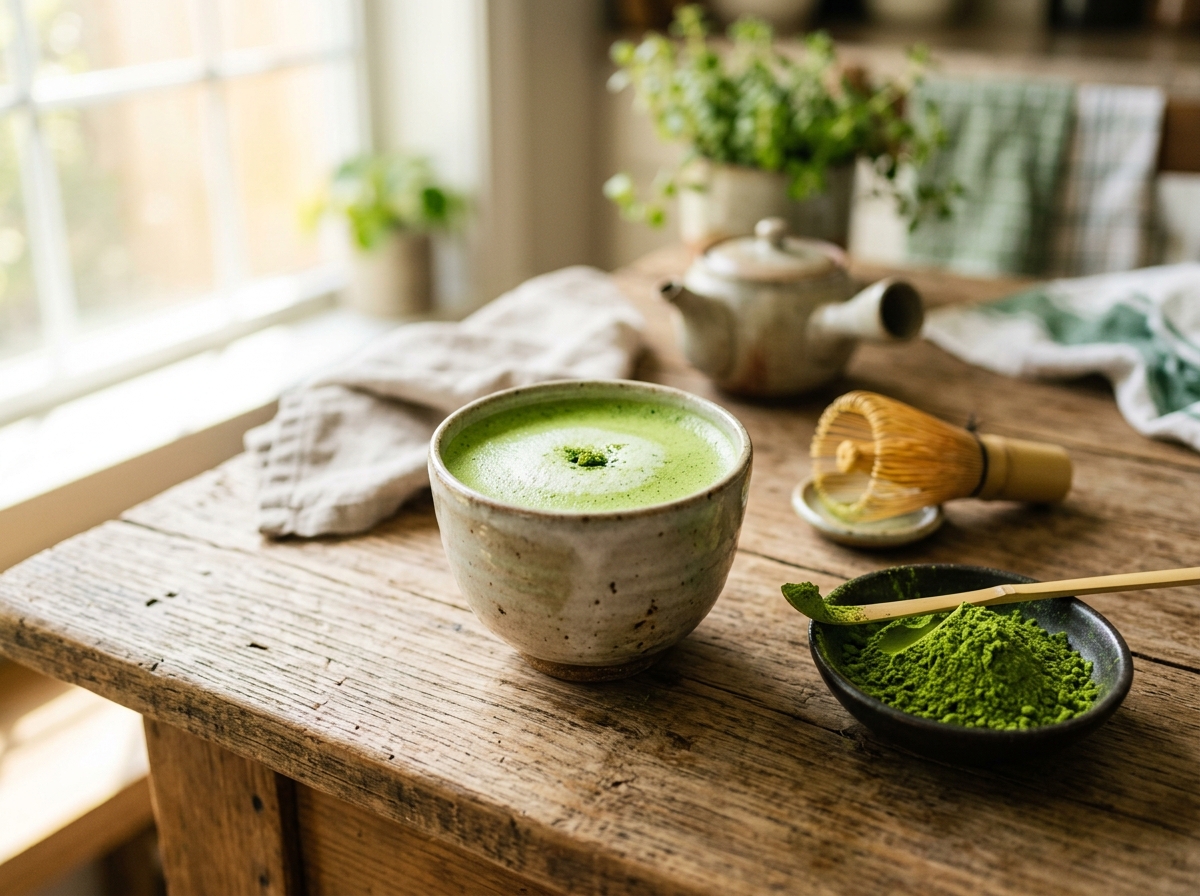
Matcha is technically a type of green tea, but it's grown and processed differently. Matcha leaves are shade-grown for several weeks before harvest, which boosts chlorophyll and amino acid content, then stone-ground into a fine powder rather than left as whole or cut leaves. Because you consume the entire ground leaf in matcha rather than just an infusion, it delivers a noticeably higher concentration of antioxidants and caffeine per cup compared to regular steeped green tea.
Who Should Be Careful With Green Tea
- People sensitive to caffeine may want to limit intake, especially later in the day
- Green tea's tannins can reduce iron absorption, a concern for those with anaemia
- Pregnant women are often advised to moderate caffeine intake, including from green tea
- Drinking it on a completely empty stomach can cause mild nausea for some people
None of these are reasons to avoid green tea altogether for most healthy adults, but they're worth keeping in mind, particularly for anyone managing a specific health condition or taking iron supplements.
Frequently Asked Questions
How much green tea is safe to drink daily?
Most research points to 3-5 cups a day as a reasonable range that balances benefits with caffeine intake, though individual tolerance varies quite a bit from person to person.
Does green tea help with weight loss?
It may offer a modest metabolic boost thanks to compounds like EGCG, but it works best alongside a balanced diet and regular activity rather than as a standalone solution.
Is green tea better than masala cha?
They're simply different. Green tea has more concentrated antioxidants and less caffeine, while masala cha offers its own comfort, spice-driven digestive benefits, and cultural ritual. Many people enjoy both at different times of day.